Floristry Course -The Wonderful World of Floristry
Floristry Course – welcome to the wonderful world of floristry! If you love flowers and want to learn to be a florist and create stunning
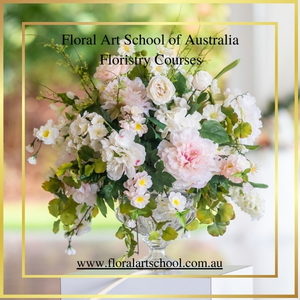
Learn Floristry For A Career Or Just Because You Love Flowers
Learn floristry for a career or just because you love flowers and create beautiful flower arrangements in our Floristry Course. In the Floral Art School
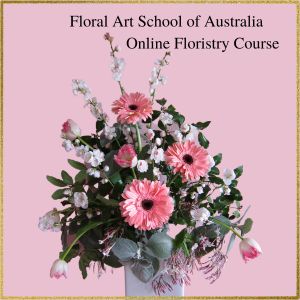
Beautiful Flowers Make The World A Better Place
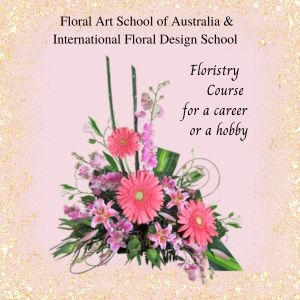
Beautiful flowers make the world a better place. A flower arrangement is suitable as a gift for so many occasions. In this design gerberas, tulips,
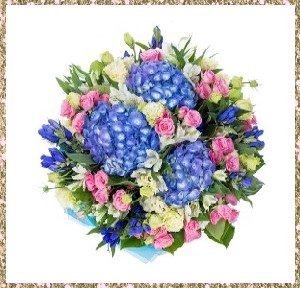
A Posy Of Flowers makes a lovely gift to show you care
A posy of flowers makes a lovely gift to show you care. This posy features 3 large hydrangea, mini roses, lisianthus, alstroemeria and larkspur. The
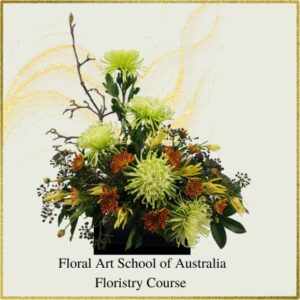
Learn to be a Florist – Floristry Course
Floristry Course – Learn to be a florist and do what you love to do for a rewarding career or a wonderful hobby. When you
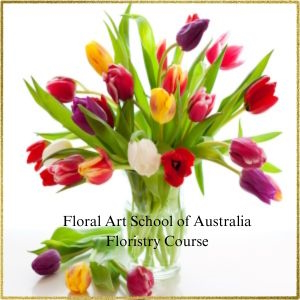
Beautiful Tulips – Floristry Tips
Floristry Tips. Beautiful tulips come in many different varieties and colours. Some have plain petals and others are fringed around the edges. Once tulip
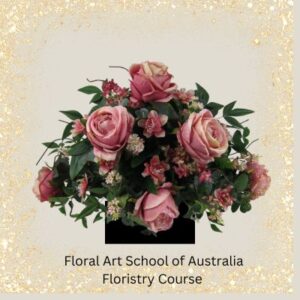
Florist Course – Do What You Love To Do
Florist Course – learn how to arrange flowers into stunning floral designs and do what you love to do. Let’s work together to make a
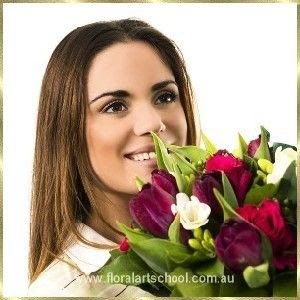
Valentines Day
Happy Valentines Day. A lovely hand tied bouquet of flowers is an ideal gift to give to express your feelings to that special person in
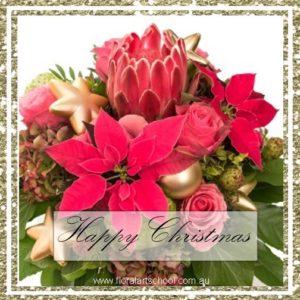
Have a Wonderful Christmas and Happy New Year
I hope you have a wonderful Christmas. As this year is almost coming to an end – it is good to reflect on it and
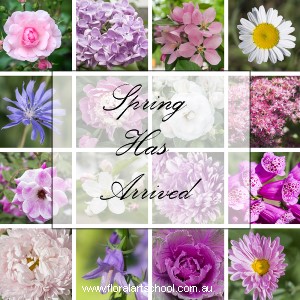
Spring Has Arrived With All The Lovely Flowers In Bloom
Spring has finally arrived and Summer is just around the corner! It’s wonderful seeing all the lovely flowers coming into bloom. Flowers are beautiful in
Floristry Course -The Wonderful World of Floristry
Floristry Course – welcome to the wonderful world of floristry! If you love flowers and want to learn to be a florist and create stunning
Learn Floristry For A Career Or Just Because You Love Flowers
Learn floristry for a career or just because you love flowers and create beautiful flower arrangements in our Floristry Course. In the Floral Art School
Beautiful Flowers Make The World A Better Place
Beautiful flowers make the world a better place. A flower arrangement is suitable as a gift for so many occasions. In this design gerberas, tulips,
A Posy Of Flowers makes a lovely gift to show you care
A posy of flowers makes a lovely gift to show you care. This posy features 3 large hydrangea, mini roses, lisianthus, alstroemeria and larkspur. The
Learn to be a Florist – Floristry Course
Floristry Course – Learn to be a florist and do what you love to do for a rewarding career or a wonderful hobby. When you
Beautiful Tulips – Floristry Tips
Floristry Tips. Beautiful tulips come in many different varieties and colours. Some have plain petals and others are fringed around the edges. Once tulip
Florist Course – Do What You Love To Do
Florist Course – learn how to arrange flowers into stunning floral designs and do what you love to do. Let’s work together to make a
Valentines Day
Happy Valentines Day. A lovely hand tied bouquet of flowers is an ideal gift to give to express your feelings to that special person in
Have a Wonderful Christmas and Happy New Year
I hope you have a wonderful Christmas. As this year is almost coming to an end – it is good to reflect on it and
Spring Has Arrived With All The Lovely Flowers In Bloom
Spring has finally arrived and Summer is just around the corner! It’s wonderful seeing all the lovely flowers coming into bloom. Flowers are beautiful in